


In today’s interconnected world, maritime data has become a critical resource for decision-making for a number of key areas including shipping investments, chartering, environmental compliance, routing and operational optimization. It encompasses a diverse range of inputs including cargo volumes, vessel traffic, port performance, and weather conditions, all of which shape the rhythm of international commerce. Access to this information provides market participants visibility into trade flows thereby underpinning the efficiency of supply chains and drawing key observations on incoming forthcoming trends which influence the earnings potential of ships which is a key driver of the underlying vessel values.
For shipping companies, investors, charterers and financiers, data organized to serve specific purposes form the backbone of strategic investment and operational planning. An example of the former relates to pointed, data-driven investment analysis as means to right-time shipping investments, while an example of the latter lies in optimizing fleet deployment by monitoring congestion levels or adjusting voyages in response to weather patterns with a view to saving on costs. Beyond operational optimization, shipping data helps build foresight into shifting trade dynamics which is key in identifying and making sense of prevailing market trends.
At Allied this capability is offered through QuantumSea, our proprietary maritime analytics platform. QuantumSea consolidates real-time data and historical data series, allowing professionals to transform raw information into actionable insights. By doing so, it establishes a bridge between daily operations, short to medium-term chartering strategy and longer-term investment planning, enabling shipowners and investors to maintain agility in an increasingly complex environment. Furthermore, Allied QuantumSea produces shipping market reports on weekly, monthly and quarterly cadence, presented through clear infographics supported with pointed, concise narrative.
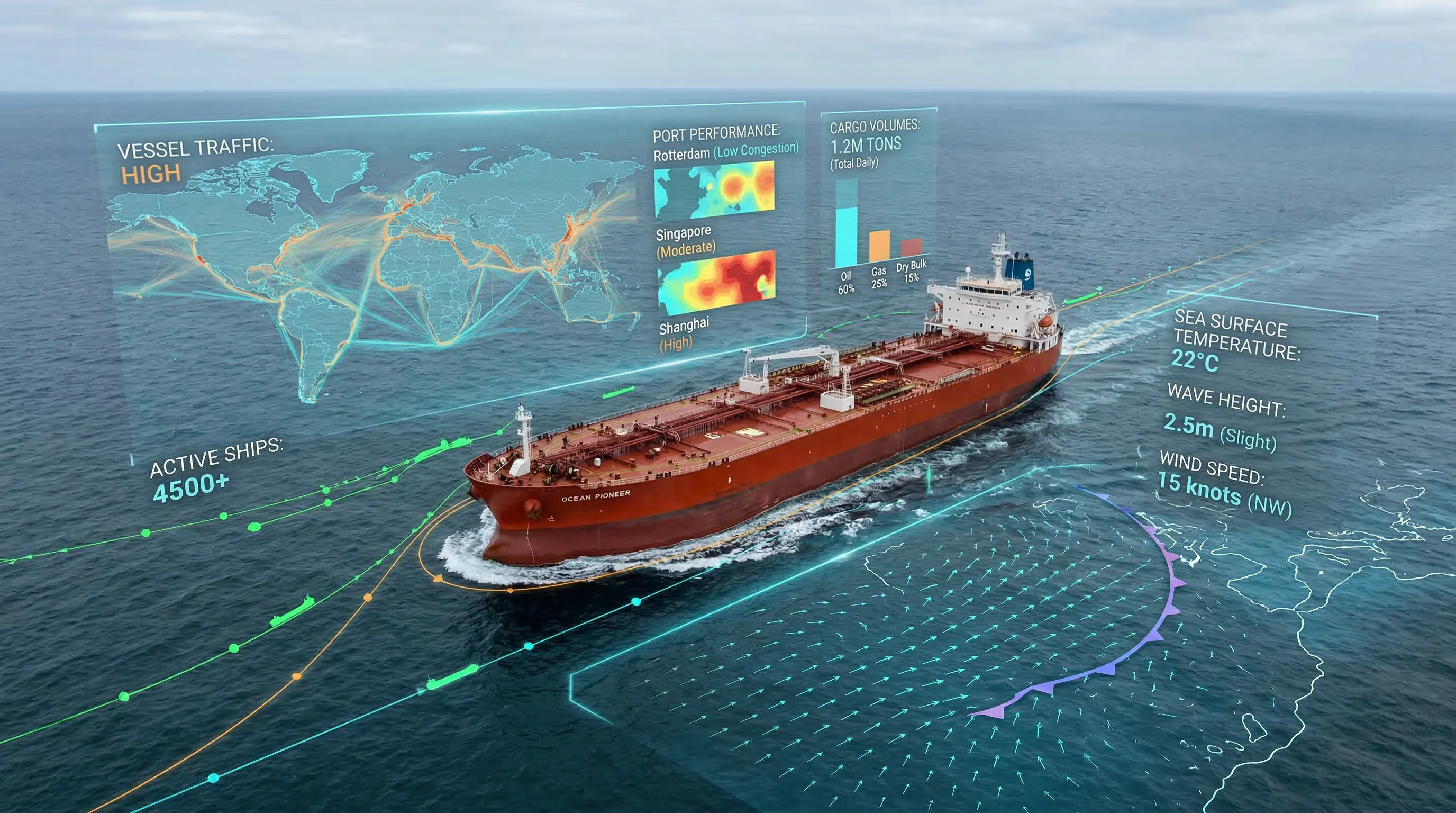
The foundation of seaborne trade ties with flows of commodities, energy, and goods across oceans and other major seaways. To interpret these movements, stakeholders rely on accurate vessel traffic and cargo volumes data, as well as fleet deployment, utilization rates, commodity seasonality and ad hoc events that influence temporarily or in the longer-run demand for shipping services. All these aspects effect tonne-miles and represent vital maritime KPIs, monitoring of which allows analysts to capture shifts in global demand for maritime transportation services, from seasonal surges in agricultural exports to structural changes in energy trade.
For example, when grain exports from South America expand as a result of a good annual crop, freight demand for Panamax bulk carriers increases altering utilization and earnings, which in turn affects utilization of other adjacent ship sizes. Similarly, disruptions in crude oil flows—whether due to geopolitical tensions or infrastructure outages—affect tanker demand and ultimately freight rates. These real-world cases illustrate how trade volumes and other key market indicators, when measured effectively, become early indicators of market turning points.
Data also provides investors and operators with benchmarking opportunities. Comparing regional loadings, port activity including congestion bottlenecks and fleet utilization reveals imbalances that drive freight rate fluctuations. Without systematic monitoring of these fundamental parameters, market participants would be navigating blind. Allied leverages QuantumSea to integrate these diverse metrics, ensuring that our clients can interpret the pulse of seaborne trade and position themselves accordingly.
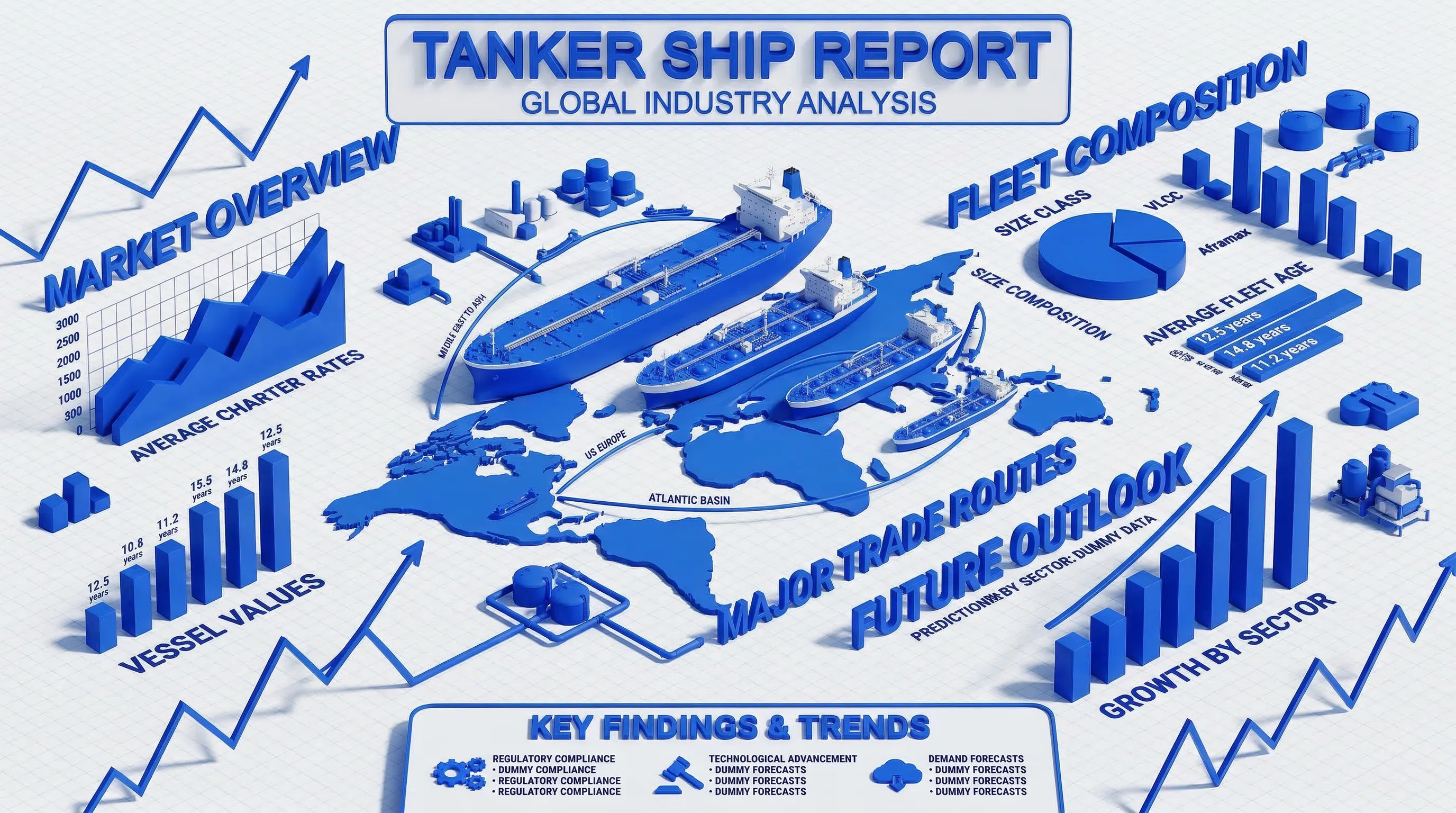
Allied’s modern shipping market reports have evolved from static, backward-looking commentaries into a powerful tools with market insights that may be deployed in decision-making.
At its core, the Allied QuantumSea standing reports issued a weekly, monthly, and quarterly cadence consolidates the development of freight rates, market values, fleet deliveries and removals, trade flows as well as other key supply / demand proxies superimposed with live market intelligence, allowing our shipowner, operator, and investor recipients to anticipate market changes. By examining seasonal cycles, capacity utilization, and port congestion, infrastructure development, as well as seasonal or other material demand shifts, the Allied QuantumSea reports provide for visibility in an environment often defined by complex dynamics and volatility.
For shipowners and other private or institutional investors, reliable market intelligence is essential in evaluating risk exposure, assessing entry and exit points and recognizing return potential. For charterers, identifying potential bottlenecks and knowing when capacity tightens may enable them to secure favorable contracts ahead of competitors.


Using proven graphical interfacing including carefully-crafted charts, tables and pointed infographics in our standing market reports, or by deploying statistical models or scenario analysis in our custom reports, our clients can understand how small shifts—such as refinery outages or trade rerouting—may ripple across the market.

With Allied QuantumSea intelligence, shipping reports are not only about recording the past but more importantly setting forward substantiated forward-looking views.