



At the heart of global trade, ship chartering serves a vital role accommodating the carriage of goods by sea and the transportation of bulk commodities across continents. Whether transporting raw materials such as coal and iron ore, crude or refined petroleum products like fuels and chemicals, chartering of ships remains the most economical, safe and environmentally friendly solution for transportation of large volumes across long distances by sea. Commodity producers, owners or traders as well as other types of cargo interests as well as shippers and other businesses charter vessels as means to satisfy their transportation needs.
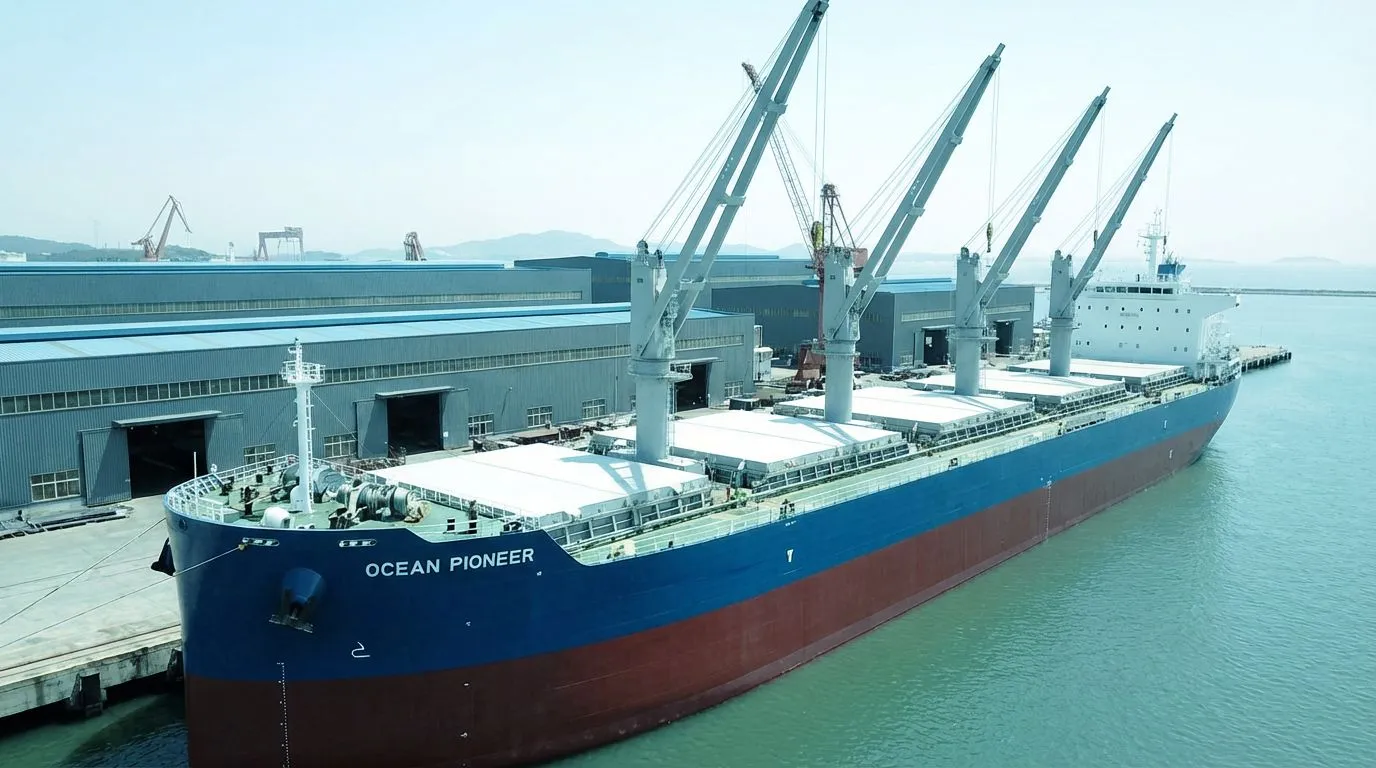
At Allied Chartering, our team of dedicated chartering brokers connects commodity producers, traders, shippers and vessel charterers with suitable ships that are available or become available at the desired location during the timeframe required. Drawing from deep market understanding and strong industry connections with all world-leading counterparties, we ensure our shipowner clients deploy the desired chartering strategy while satisfying the transportation needs of the underlying shippers.
Ship chartering requires real-time intelligence relating to cargo and vessel availability at the ports of cover, representing proxies of demand and supply for transportation services, with the balance between the two setting the level of freight rates. Whether the requirement is for a single voyage, for consecutive voyage or period charters, our role is to offer a competitive vessel – cargo match, simplifying complexities, protecting your interests, and enhancing the commercial performance of the stakeholders we service.
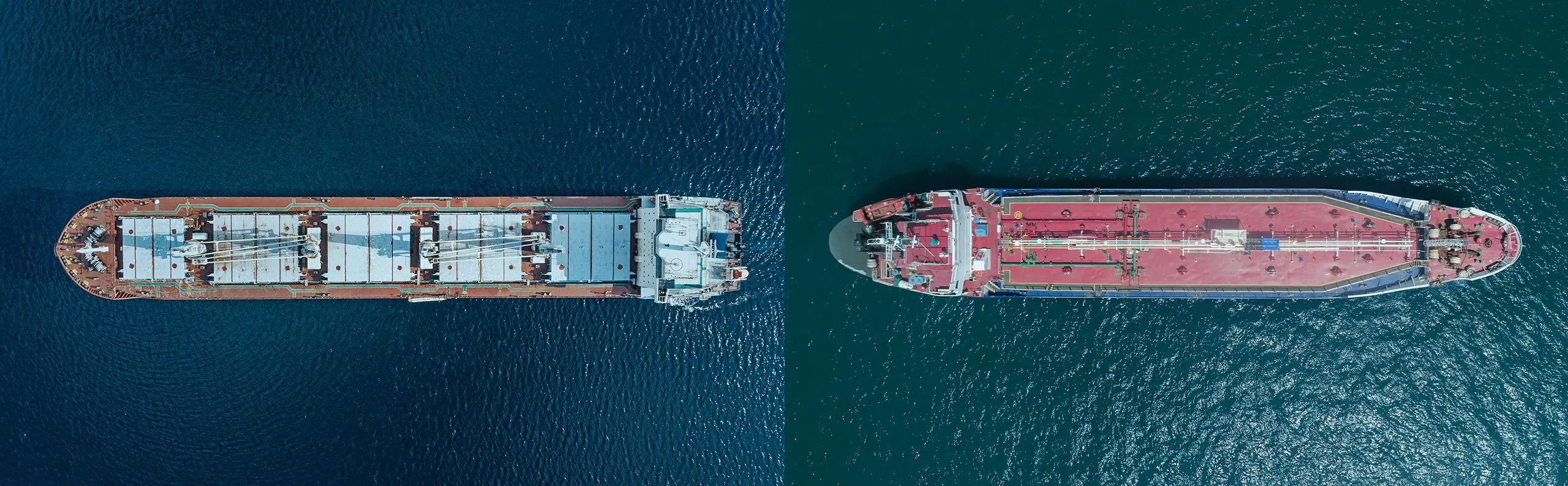
A Voyage Charter involves hiring a vessel for a single voyage between designated ports. The shipowner covers operating costs such as crew, fuel costs and port expenses, while the charterer pays a lump-sum freight rate expressed in USD per tonne of cargo transported. In a Time Charter, also commonly referred to as Period Charter, the vessel is hired for a specified period of time. The charterer retains operational control, instructing the vessel manager who is responsible for the operation of the ship about the cargoes to be transported across nominated ports.
A Trip Charter is a hybrid between voyage and time / period charters, ideal for cargoes that don’t fit a fixed period but require tailored routing and timing.
A Bareboat Charter, also commonly referred to as Demise Charter, transfers full operational responsibility to the bareboat charterer. In this case the title in the ship rests with a disponent owner, typically a nominee of a financing institution that accommodates leasing structures. Long-term operational control and responsibility as well as maintenance requirements rest with the bareboat charterer, who typically is a nominated company of the shipowner.
A charterparty agreement, typically also referred to as charterparty, outlines the rights, obligations, liabilities and commercial terms for the underlying charter. Allied Chartering provides guidance in negotiating the terms of the charterparty and assists in its drafting. Our expertise focuses on dry cargo and tanker trades.

Charterparties are governed by industry-standard forms, many developed by the Baltic and International Maritime Council - BIMCO. These documents outline critical clauses on freight payment, laytime, demurrage, force majeure, and dispute resolution to mention a few. While standardized templates exist, specific commercial requirements often demand bespoke negotiation.
At Allied Chartering we match the transportation needs of charterers with available tonnage sourced by our reputable shipowner clients, while assisting with drafting of the underlying charterparties ensuring that these reflect precisely commercial intent.
Our expert chartering brokers work closely with specialized external legal advisors in aligning each charterparty with the underlying legal framework pertaining to carriage of goods by sea, as well as with flag-state, classification society, and port state requirements. This provides a clearly defined framework, mitigating disputes and reducing exposure to operational risk which may otherwise give rise to monetary and reputational damages.
Our transparent and diligent approach coupled with the experience that stems out of thousands of charters we concluded ensures that the charterparties we draft serve as a safeguard of the interests of our clients, not just a legal formality.
Key stakeholders include the charterer who may be the cargo owner, producer, trader or a vessel operator, the shipowner (or disponent owner) as tonnage provider, and the chartering broker, a pivotal intermediary. Chartering brokers align commercial opportunities, evaluate market conditions, and structure mutually beneficial charterparty terms.
At Allied Chartering we act as matchmakers and strategic advisors. Our dry cargo and tanker chartering desks monitor real-time availability of cargo, vessel positions, prevailing freight rates, port congestion, bunker costs, market sentiment and key trends in proposing optimal tonnage choices tailored to the available cargo profile. Whether handling a spot voyage, a medium-term time charter, or a Contract of Affreightment, we manage the process from the very initial inquiry to ship deployment.
Through our deep-routed relationships with shipowners and cargo interests, our extensive database monitoring at any given point in time cargo and vessel availability, we well as with our disciplined workflow, we streamline the chartering process, ensuring no commercial opportunity is missed. Our operations specialists continue supporting clients post-fixture, coordinating smooth execution thus mitigating disruptions, costs and potential liabilities.
This end-to-end integration coupled with our solid execution track record is what distinguishes us. For clients chartering for the first time or the hundredth, we provide more than access. We provide certainty.
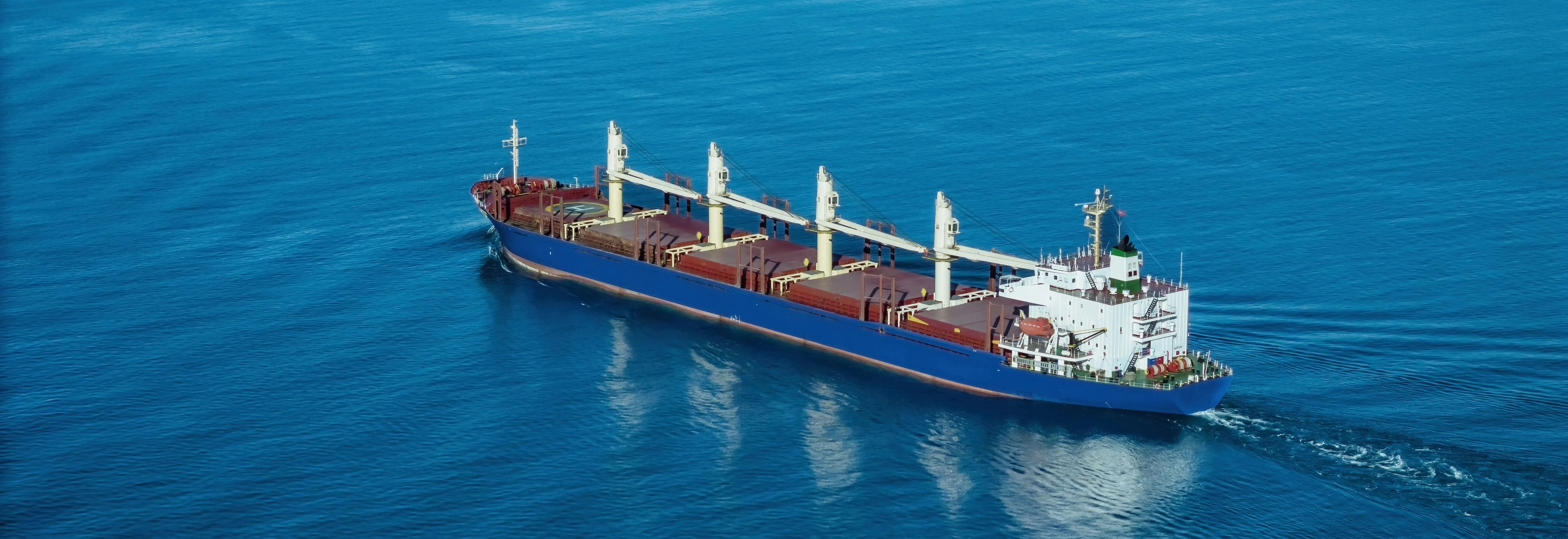
Minor bulk commodities include bauxite & alumina for aluminum production, phosphates for fertilizers, cement, fertilizers, sugar, steel products including coils and beams, petroleum coke, salt, scrap metal and other industrial materials. Other less common bulk cargoes transported in bulk carriers include woodchips, logs, or specialized minerals.
Wet cargo chartering, also known as tanker chartering, relates to the transportation of liquid commodities by sea in ocean-going tankers. These fall into four main categories, each with distinct cargo types that are transported within the corresponding vessel type. The first category is unprocessed crude oil which is carried in crude oil tankers. The second category relates to refined, clean petroleum products carried onboard product carriers, including gasoline, jet fuel / aviation kerosene, naphtha, diesel / gasoil, residual fuel oils and asphalt / bitumen. The third category represents liquefied gases carried in gas carriers and includes Liquefied Natural Gas (LNG) like methane cooled to −162 °C, Liquefied Petroleum Gas (LPG), which is propane, butane, or mixtures, often pressurized or refrigerated, and other petrochemical gases including ethylene and ammonia. The fourth category pertains to chemicals & specialty liquids transported in chemical tankers. These include organic chemicals like methanol, ethanol, benzene, and styrene, inorganic chemicals like sulfuric acid, phosphoric acid, and caustic soda, vegetable & edible oils such as palm oil, soybean oil, molasses and other specialized liquids including lube oils and biofuels.
At Allied Chartering, we operate dedicated teams specializing in most dry and wet cargos. Contact one of our chartering brokers to guide you through our core specializations.
They reflect the cost of chartering a ship and relay a key proxy of the balance between ship supply – represented by availability of ships - and demand for shipping services - represented by availability of cargo at any given point in time. Freight rates are influenced by a complex interplay of supply and demand affecting the shipping markets.
On the demand side, freight rates are shaped by global trade volumes, commodity flows and seasonal patterns, as well as geopolitical events that may give rise to trading or physical disruptions. For example, strong oil demand in winter or agricultural exports after harvest drive rates up. Geopolitical events, sanctions, or disruptions to key trade routes - such as the Suez Canal closure or the Houthi attacks that have diverted shipping traffic away from the Red Sea – have sharply affected shipping tone mile availability.
On the supply side, the size and availability of the global fleet plays a critical role. Factors such as newbuilding vesseldeliveries – quantum and timing – end-of-life vessel disposal for recycling, periodic vessel maintenance schedules, and port congestion influence how many ships are in active service at locations of interest. Fuel prices and operating costs also affect freight rates, as do regulatory changes (e.g., environmental rules requiring slower steaming or costly retrofits).
Market sentiment and speculative activity play a role as well. Charterers and owners may fix ships early or hold out for better deals depending on expectations. Ultimately, freight rates fluctuate constantly, reflecting real-time market conditions across global shipping.
At Allied Chartering we deploy a host of tools in recognition of market trends. We analyze real-time market data relating to availability of ships and cargos, we observe port congestion information, we account for the forward-looking market perception as represented by Forward Freight Agreement (FFA) curves, while constantly staying on the market pulse with our expert chartering brokers engaged 24/7 - 365.
Whether negotiating a spot voyage or period charters, our clients have the benefit of access to reliable, live market insight in making informed chartering decisions.
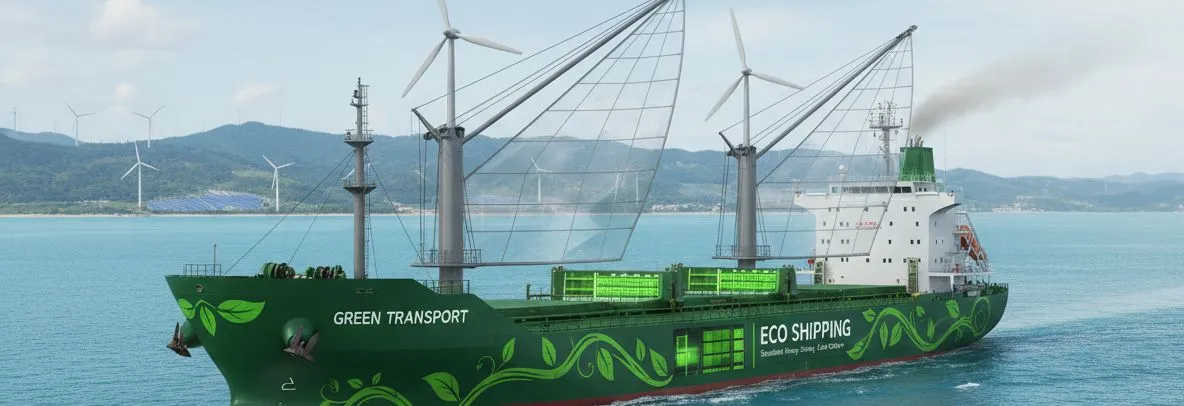
We guide clients through key frameworks set forward by the International Convention for the Prevention of Pollution from Ships (MARPOL), including the Ballast Water Management Convention, Energy Efficiency Existing Ship Index (EEXI) obligations as well as the impact of commercial deployment of ships in their carbon intensity indicator (CII) footprint. These directly affect vessel eligibility for cargo intake by specific charterers, routing, and operating costs.
Our chartering brokers account for peculiarities relating to local laws, port state regulations, and emissions zones when proposing cargoes to eligible vessels, ensuring each fixture aligns with legal and environmental mandates.
We also monitor sanctions lists and jurisdictional constraints to avoid legal exposure.
Whether dealing with dry bulk or tanker chartering, our role is to help clients charter ships responsibly, safely andwith regard to environmental sensitivities.
At Allied chartering, compliance is not just about avoiding fines and reputational exposure, it’s about building resilient, future-proof chartering track record.

A significant risk relates to demurrage, relating to penalties paid when loading or discharging exceeds the agreed laytime. Weather, congestion, cargo and other documentation delays all contribute to this risk. Careful consideration of these parameters in negotiation of the relevant charterparty clauses as we all as pre-fixture planning are key to avoiding these costs.
The long-standing experience of Allied Chartering in dealing with these aspects help our clients assess and mitigate chartering risks by advising on suitable laytime allowances, and structuring force majeure and off-hire clauses. We also ensure clarity around bunker surcharges and deviation liabilities to alleviate performance claims.
In parallel, we support marine insurance decisions, covering hull, P&I, and charterers' liability, to protect against loss, damage, or third-party claims.
Our operations team continues to monitor fixtures post-signing, offering real-time updates and issue resolution. Clients trust us to not only fix the right ship, but to protect the voyage end to end.


We offer more than just vessel-to-cargo matching, we source our expertise in enabling our clients to capture the positive market momentum whilst being alert of signs of adversarial developments. Our strength lies in combining deep market reach with a client-centric mindset.
At Allied Chartering we don’t just close deals.We build enduring partnerships.