


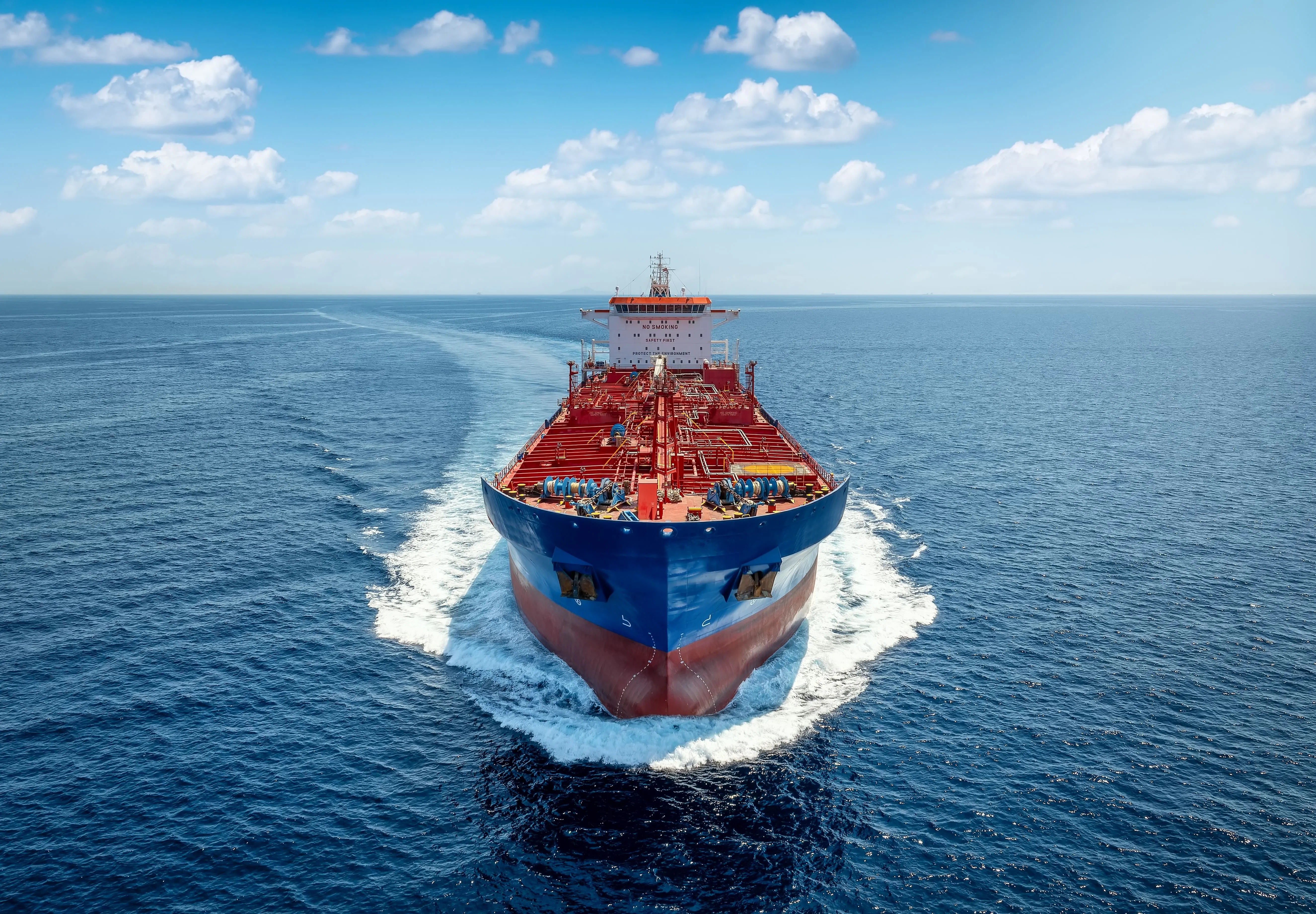
Wet bulk cargo - also referred to as liquid bulk cargo - encompasses energy, petrochemical and edible oil commodities that keep the global industry moving: crude oil, refined petroleum products, lubricating oils, liquefied gases (LNG/LPG), liquid chemicals and edible oils. Transporting these safely, efficiently and in an environmentally friendly manner across oceans and regional seaways requires a specialized fleet of tankers, disciplined operations, and a chartering process that balances commercial performance with compliance and risk controls.
Tanker chartering is the mechanism by which cargo interests and shipowners agree carriage terms including freight rates, routes, laycan, obligations and respective liabilities. Carriage may take the form of single or consecutive voyage charters, time / period charters, contracts of affreightment (CoA), or bareboat charters. For spot employment over voyage charters or in the case of CoAs, freight is often quoted against Worldscale and translates to a dollar sum per tonne of transported cargo over a specific route, whereas in the case of period or bareboat charters freight is quoted in time-charter equivalent (TCE) rates expressed in dollars per day.
Allied Chartering supports energy producers, traders, refiners, and petrochemical companies with end-to-end liquid cargo chartering solutions — from matching cargo with the appropriate ship, to guiding the process of fixture negotiation and post-fixture performance tracking. Leveraging our global network of charterers and shipowners, monitoring closely on daily basis cargo and vessel availability and deploying QuantumSea analytics, we deliver quality brokerage that aligns operational and monetary objectives in an increasingly volatile environment.
Liquid or wet bulk cargo can be grouped into five principal streams, each with distinct handling requirements:
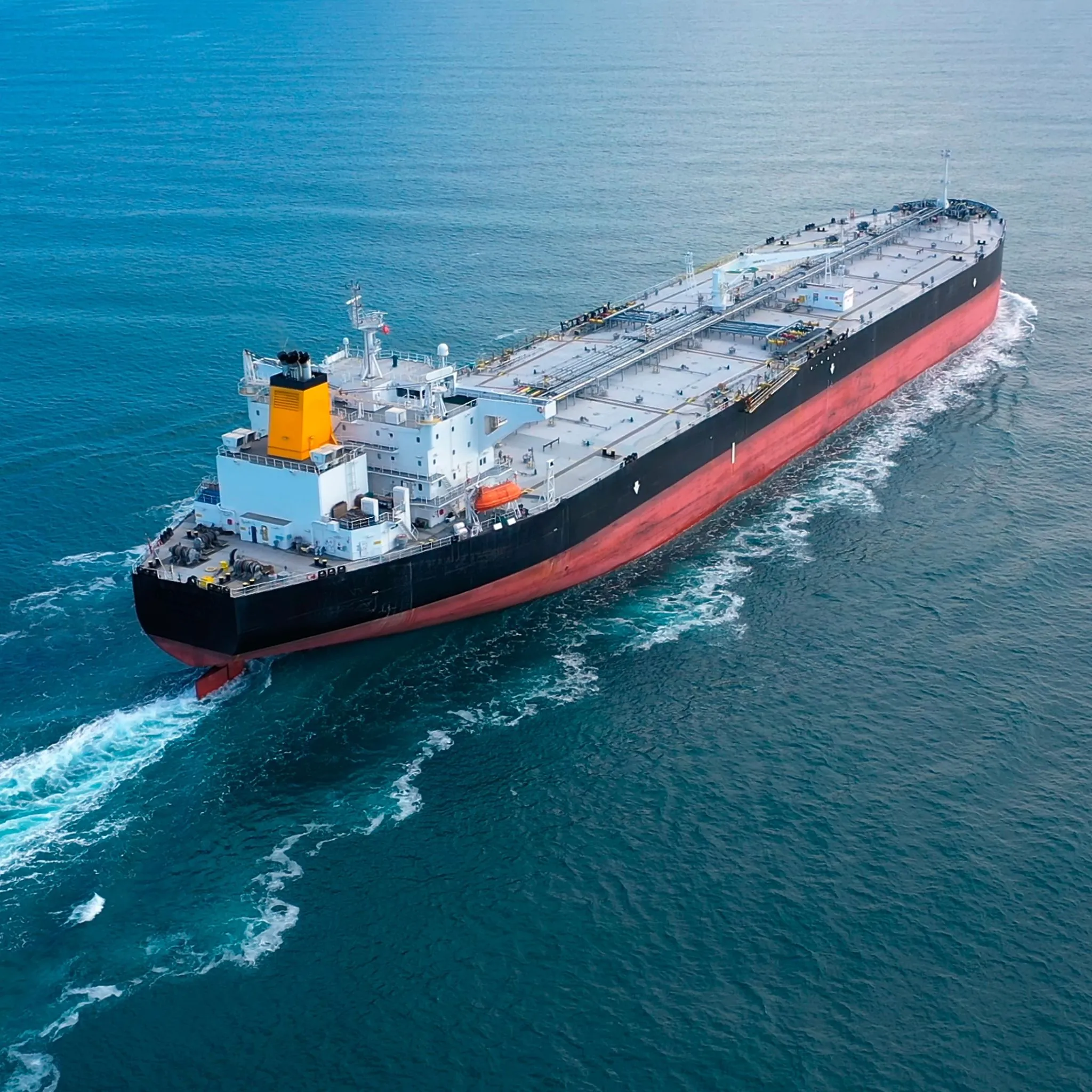
Crude oil: From very large crude carriers deployed across long-haul stems to medium and large crude tankers serving regional trades, crude oil cargoes vary by American Petroleum Institute (API) gravity - a measure of the density of petrochemical oil relative to water - and sulphur content, influencing compatibility, refining properties, commercial characteristics and pricing.
Refined petroleum products: Gasoline, diesel, jet/ kerosene, fuel oil, naphtha and condensates are shipped in product tankers (MR, LR1, LR2). Clean versus dirty segregation is fundamental in preventing contamination and upholding product specs.
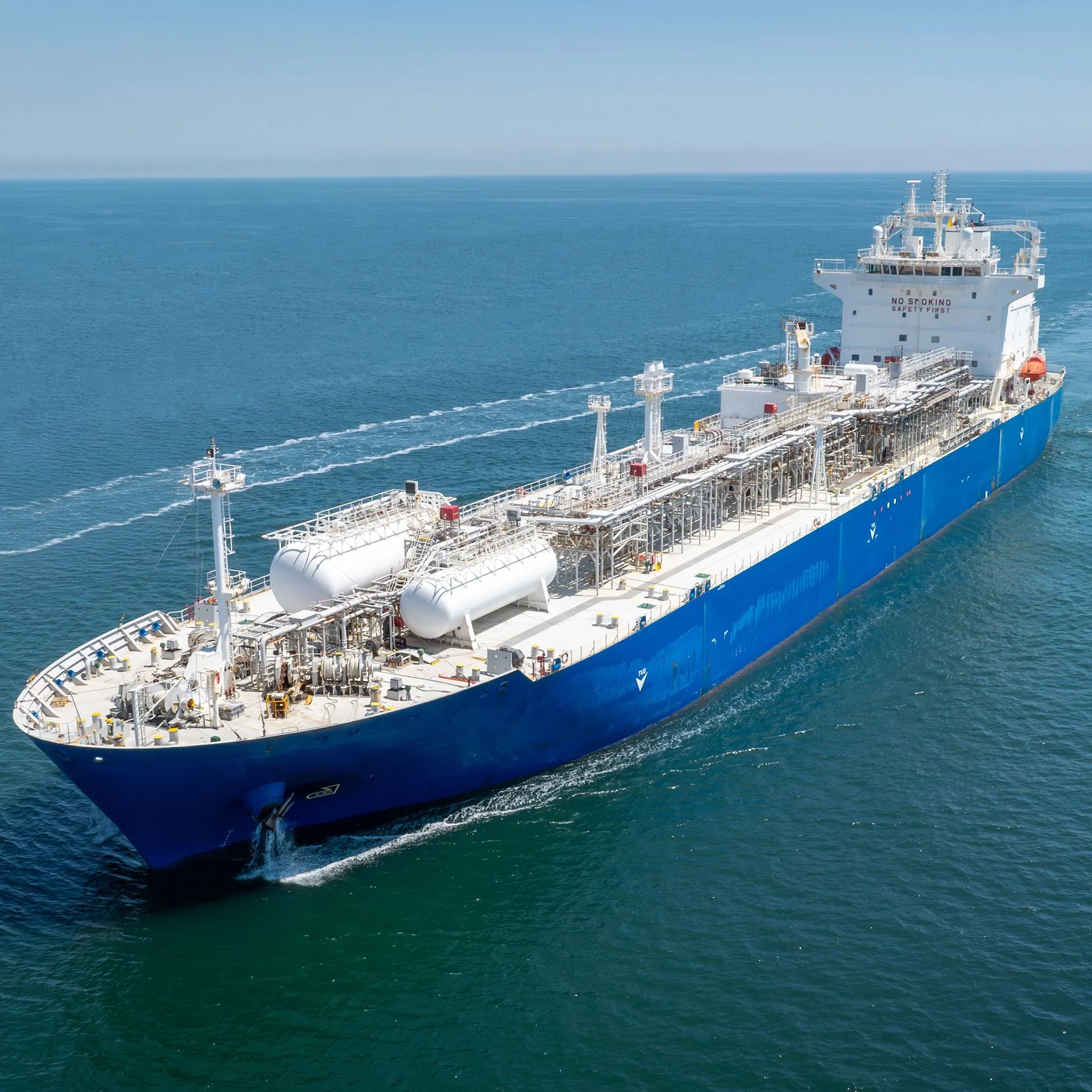
Liquefied gases: Liquified natural gas (cryogenic methane) - LNG - and liquified petrol gas (propane / butane) – LPG, which are transported under pressure / temperature control on purpose-built gas carriers with dedicated containment systems. Edible
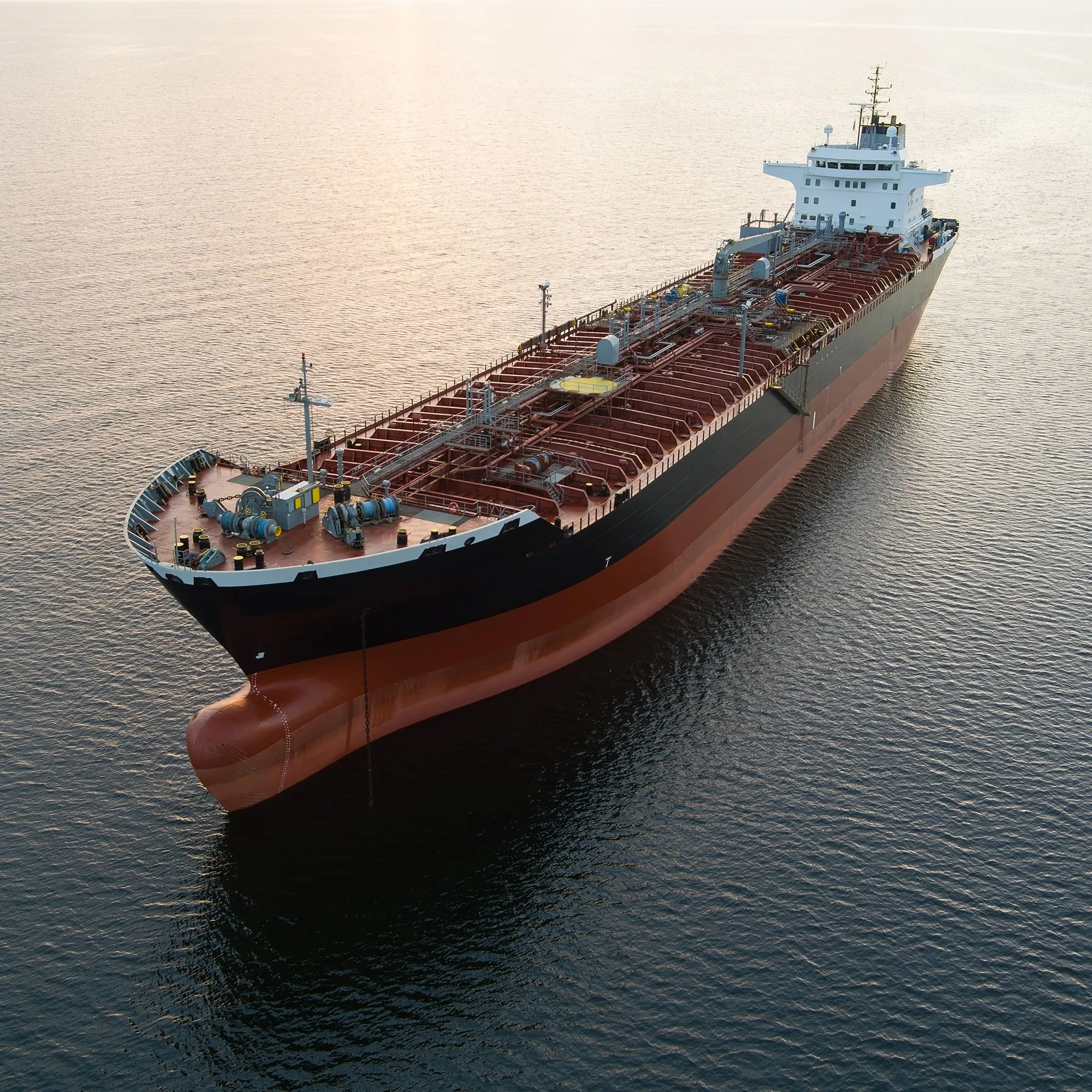
Liquid chemicals: Methanol, ammonia, aromatics, acids and specialized cargoes carried on stainless steel or epoxy-coated chemical tankers adhering to International Maritime Organization - IMO I/II/III standards.
Edible oils & vegoils: Palm, soybean, sunflower and related bi-product commodities requiring food-grade standards for containment systems including careful tank preparation.
Across categories, disciplined tank cleaning, cargo heating, pressurization, temperature and control underpin quality assurance and charter-party compliance.
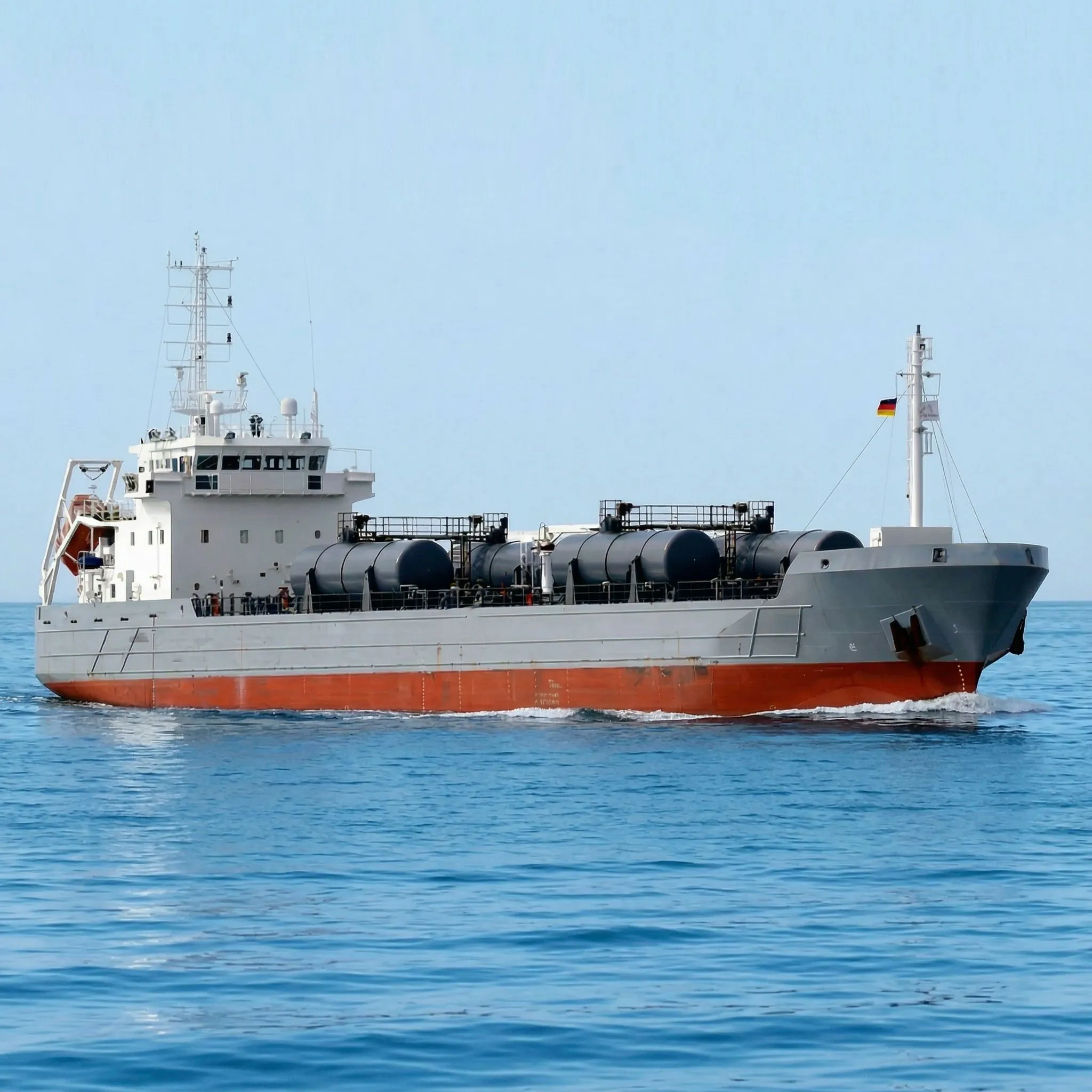
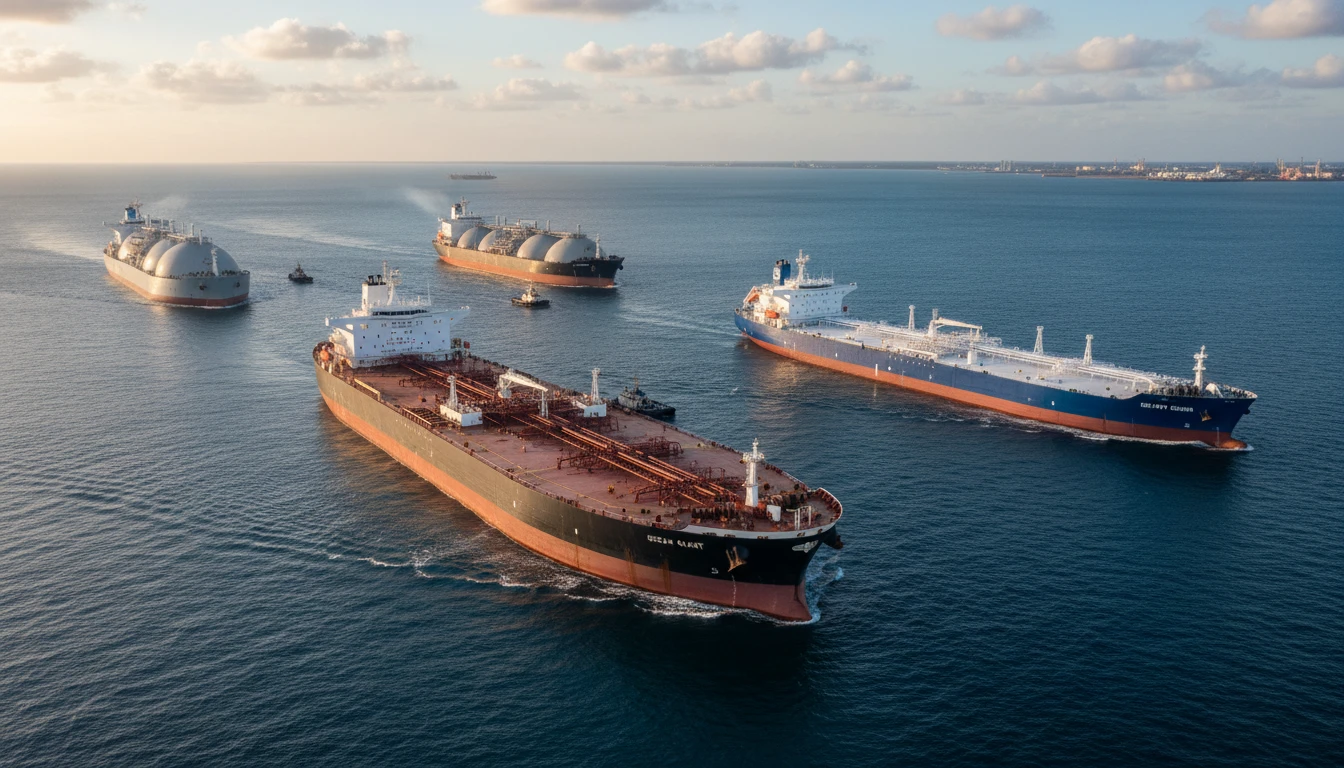
Very Large Crude Carriers - VLCCs (~300,000 dwt) are deployed over long-haul shipments (e.g., Persian Gulf – Asia), Suezmax (~150,000 dwt) and Aframax (110,000 dwt) tankers in regional and trans-basin routes.
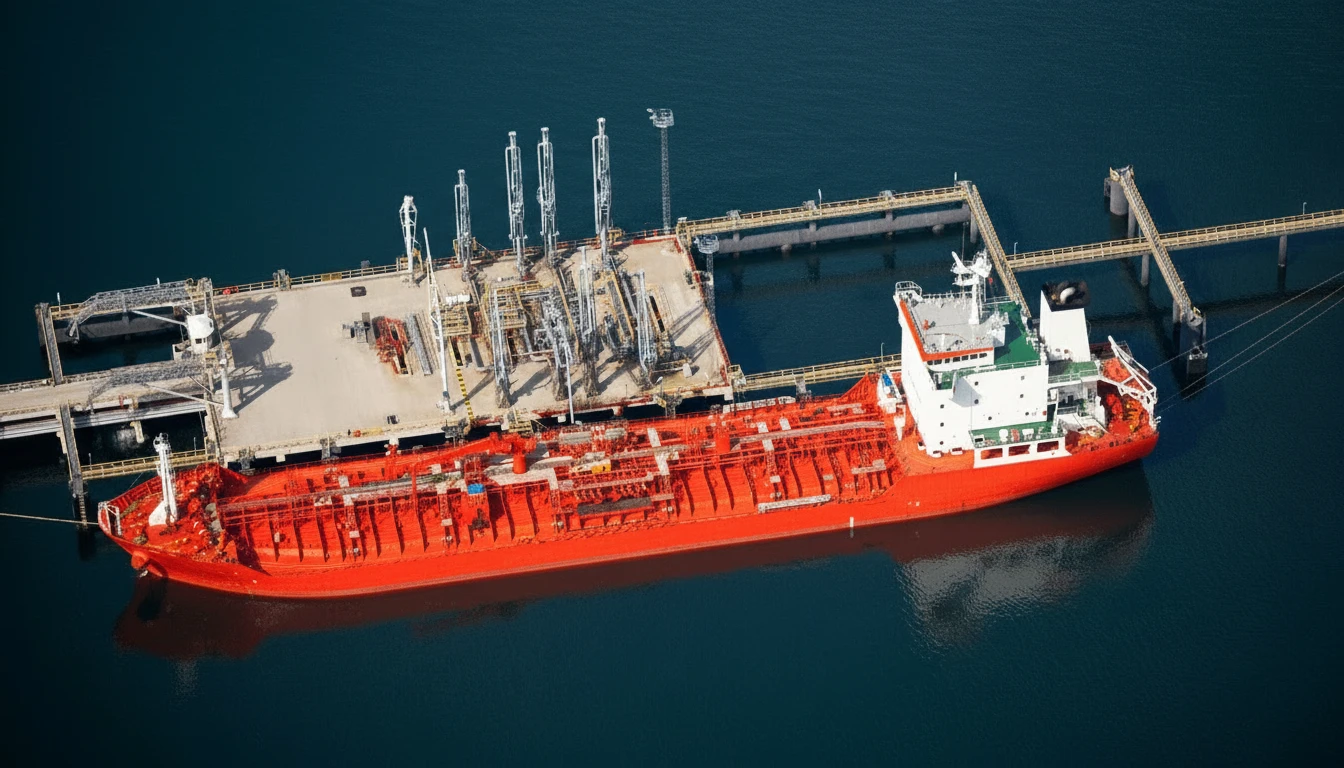
Product tankers - LR2/LR1 for long-range clean/dirties, and MR for medium range products for flexible, multi-port distribution. Coating type (epoxy / polyurethane) and heating capabilities determine trade versatility.
Chemical tankers deploy multi-grade tank designs with stainless steel or coated segregations, deepwell pumps and advanced cargo-handling systems, certified to IMO Type I/II/III for hazardous liquids.
Gas carriers relate to LNG carriers utilizing membrane or Moss-type gas containment systems with reliquefication / boil-off management, and to LPG carriers that include fully or semi refrigerated designs.
Materially all ships are double hull designs to meet MARPOL Annex I safety requirements.
Smaller, Handysize / coaster ships serve short-sea logistics and niche terminals while larger, oceangoing vessels link continents typically through canals (Suez, Panama).
Beyond classification society approvals, vessel vetting and shipowner / operator track record weigh-in considerably in shortlisting suitable ships for each fixture.
Market intelligence & timing: Having a constant hand on the pulse, our team has a view on prevailing market rates, tonnage lists, cargo parcel openings and any opportunistic / arbitrage flows in identifying opportunities.
Vessel selection & vetting: Screening technical fit (size, coatings, heating), vetting approvals, and classification, our team ensures alignment with cargo quality and terminal restrictions.
Negotiation: Structuring voyage, time charter, CoA and bareboat charterparty terms, refining laytime/ demurrage, pumping warranties, heating curves, and other major charter-party clauses.
Regulatory compliance: Advising on IMO/MARPOL/SOLAS, ISGOTT practices, ballast water obligations, and coordinating documentation.
Post-fixture support: Voyage execution monitoring, demurrage resolution, performance reviews and KPI reporting.
Our team of expert tanker chartering brokers blend long-standing relationships on the shipowning and chartering sizes in recommending optimal chartering opportunities across all major global oil shipment hubs.
Liquid cargoes are moved under several chartering frameworks, each balancing cost visibility for the shipper, flexibility and operational control:
Spot/Voyage charters: A single voyage on an agreed Worldscale or lumpsum basis. Attractive for tactical lifts, opportunistic moves and capturing short-term arbitrage opportunities.
Time charter (TC): Hiring vessels over a specified period. The charterer controls deployment of the ship and pays bunkers and associated voyage costs while the shipowner covers operating expenses.
Contract of Affreightment (COA): A series of voyages over time to satisfy transportation of certain, pre-agreed quantities of cargo, providing scheduling flexibility to the shipper across a defined timeframe.
Bareboat charter: Serves as a financing instrument where the disponent owner of the ship – a nominated company of the financier – charters out the ship to the shipowner / operator on long-terms basis (3-7 years typically).
Commercial and operation control of the ship rests with the shipowner / operator. Typical commercial terms reflected in the underlying charterparty include laycan specification, speed/consumption warranties, heating requirements, cargo retention clauses, and demurrage/laytime mechanics.
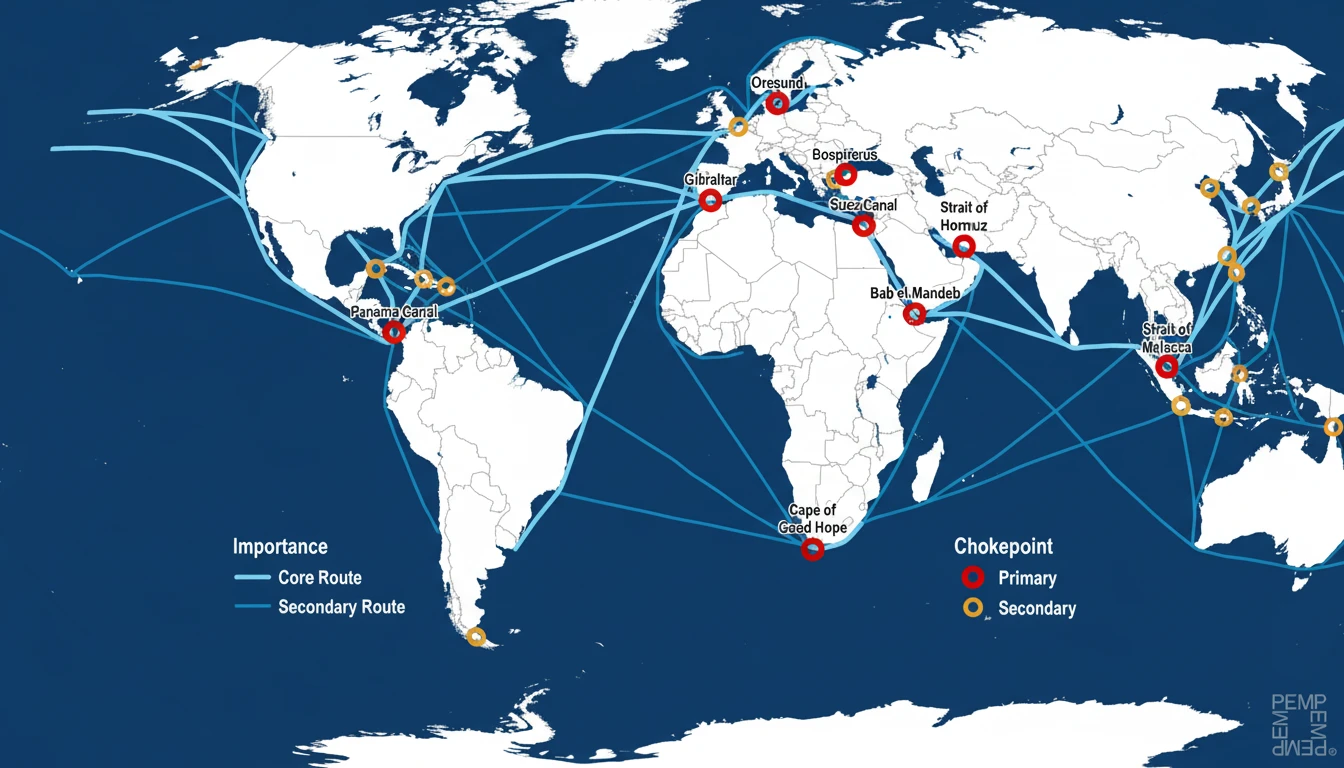
Liquid bulk cargoes are shifted along regional trade routes as well as several mainstream corridors that including the following:
Persian Gulf Asia via the Strait of Hormuz and Singapore; VLCC/Suezmax ton-miles drive East-West dynamics.
US Gulf Europe & Latin America, with Houston as a core export origin for crude, oil products and LPG.
Europe’s Amsterdam-Rotterdam-Antwerp (ARA) hub, distributing refined products and feedstocks regionally and into the Med.
Fujairah and Singapore as premier bunkering hubs.
Canal transits through the Suez Canal and Panama Canal shape vessel sizing and ballast patterns.
Optimizing route selection requires balancing canal tolls, waiting times, bunker sourcing, seasonal weather and port constraints.
Liquid bulk logistics operate under stringent international frameworks designed to prevent pollution and protect life at sea. The following sections outline the key regulatory frameworks that apply:
IMO conventions include MARPOL Annex I/II for oil and noxious liquids, SOLAS for safety standards, and ISM Code for management systems.
Operational controls need to be in place for inert gas systems (IGS) for crude & product tankers, for tank cleaning procedures, and for ballast water treatment to prevent invasive species transfer.
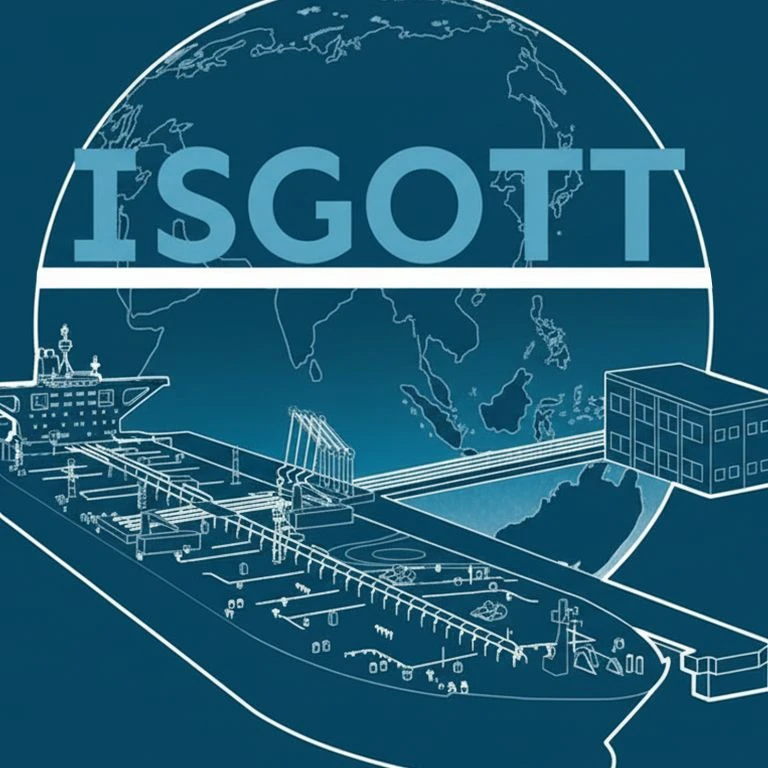
Terminal / industry safety protocols provided for by the International Safety Guide for Oil Tankers and Terminals (ISGOTT) regulate safe tanker / terminal interfacing, including hot-work control, vapor management and enclosed space entry.
In terms of pertinent documentation and cover by classification societies and insurance underwriters, this relates to Safety Data Sheets (SDSs) being in effect and followed, which are documents containing information about hazardous chemicals and their safe handling. Other regulatory controls include cargo approvals, class certification, and comprehensive Protection and Indemnity mutual insurance cover.
Allied embeds these requirements into charterparty terms and pre-fixture vetting where applicable, coordinating with owners, charterers and related third parties in documenting safe and compliant operations.
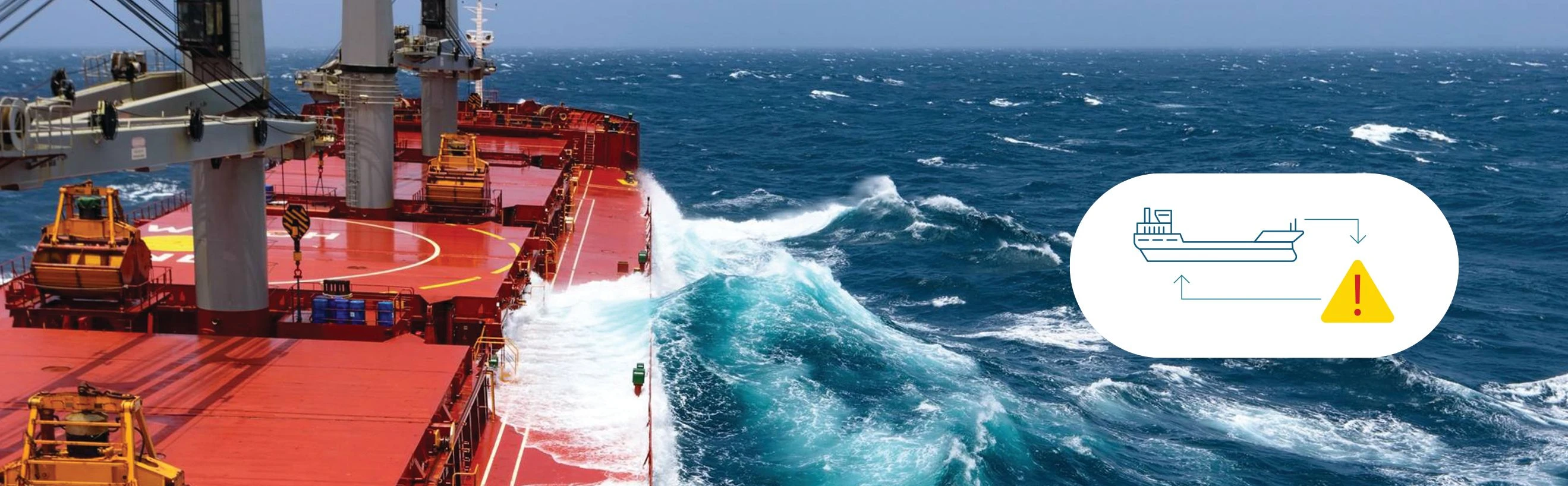
Quality of operations: dealing with counterparties with impeccable track record evidenced across several years of excellent performance;
Compliance with sanctions: Proactive screening prior to engaging in any business, including namechecks and background checks of companies and associated ultimate beneficial owners (UBOs) / physical persons against all pertinent sanctions including those set forward by UN, US, and EU.
Market volatility: to the extent desired, our team advises in favor of deploying index-linked charters, hedging physical market volatility by utilizing Forward Freight Agreements (FFAs) as well as deploying bunker hedging where appropriate.
Counterparty performance & execution risks: having a long-standing business track record with most major global players provides insights on coiunterparty performance risks and transaction execution record. To the extent our team has not engaged in business with intended counterparties, our wide global network of existing clients and trusted associates provide reliable information with a view to mitigating counterparty performance and transaction execution risks.
Other than the above, our team of experts provide support in case of issues with a view to resolving these amicably at early stage, reducing costs and reputational exposure as well as preserving relationships.


Allied Chartering is a trusted competitive tanker chartering brokerage, engaging with oil majors, traders, refiners and industrial players seeking tanker fixtures with reliable shipowners owners. What sets us apart:
Deep market coverage: Access to global owners/operators.
Data-driven insight: Proprietary QuantumSea analytics and shipping markets intelligence, benchmarking route performance and quantifying risk/reward.
Vessel availability tools: Real-time visibility on vessel positions, cargo and port availability, as well as applicable vetting approvals allow for efficient and pointed cargo to ship matches.
Quality post-fixture support: Discrete information management coupled with proactive suggestions identifying and preventing potential operational and performance issues becoming obstacles.
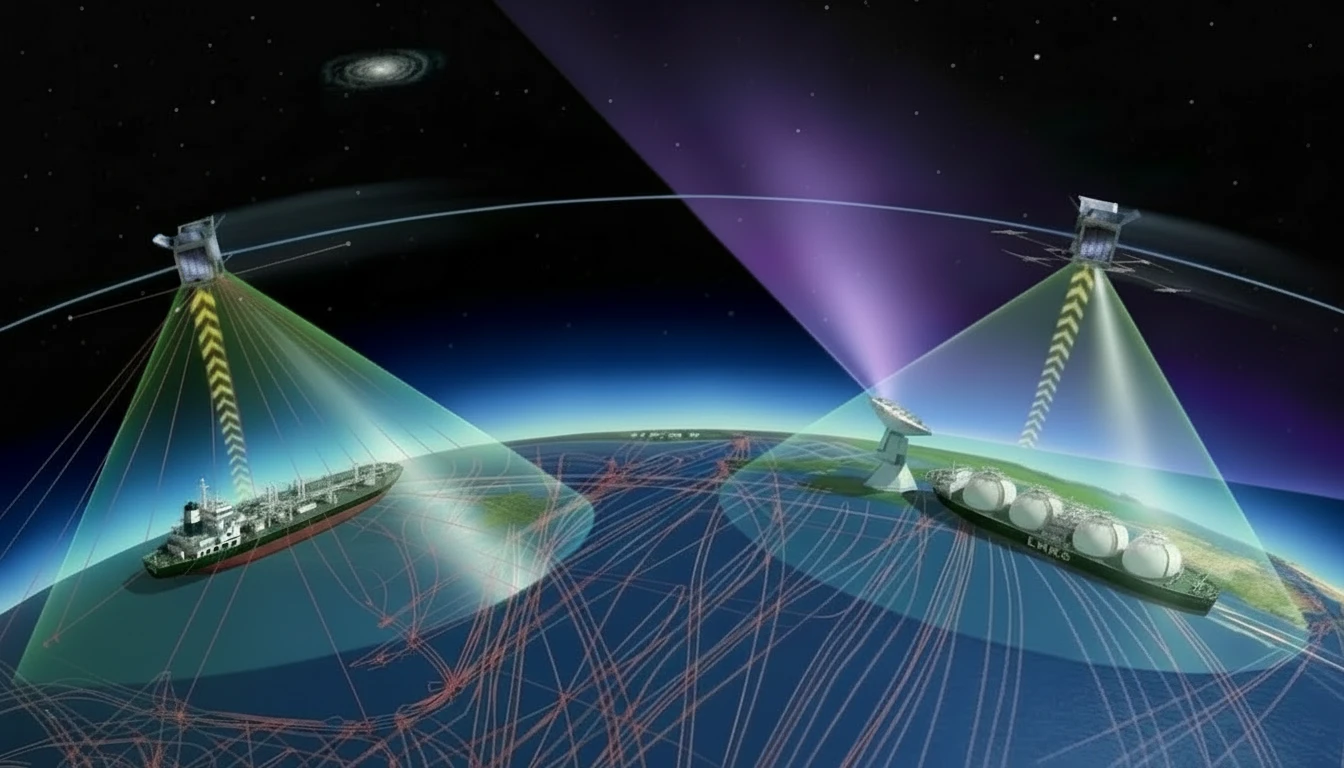

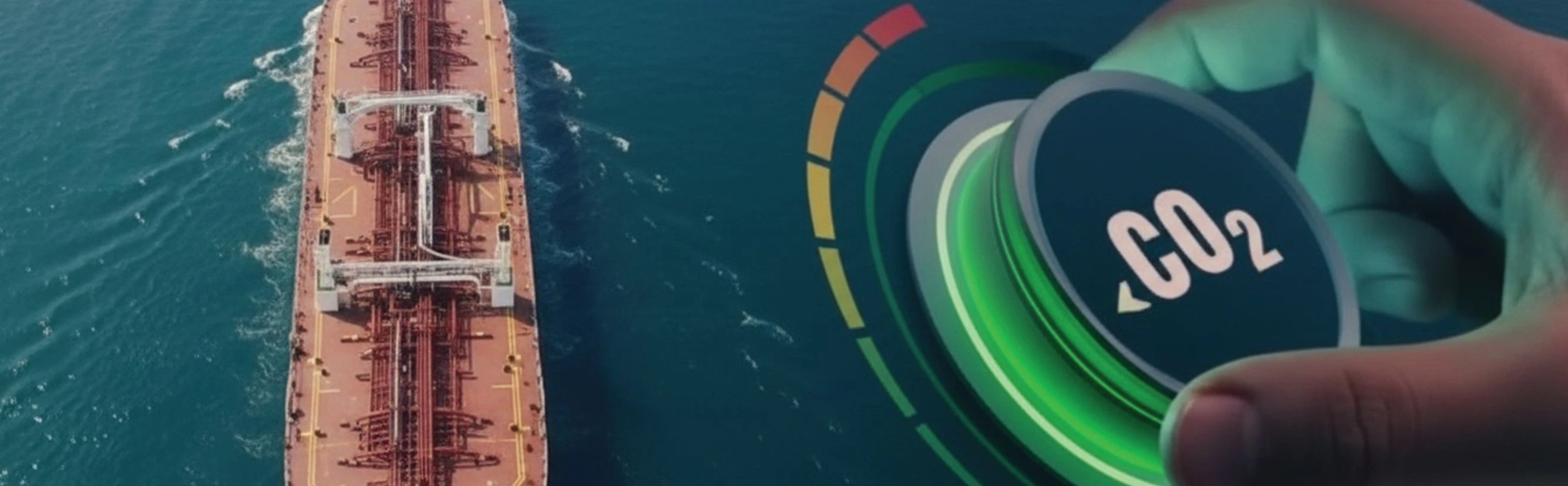
The liquid cargo transportation sector is subjected to a rapidly evolving landscape which is shaped by decarbonization regulations, geopolitical tensions that change tonne-mile dynamics in the near to medium term, while at the same time the entire shipping industry is ahead of modern era digitalization opportunities.
Regulatory frameworks including the Energy Efficiency Existing Ships Index (EEXI), and the Carbon Intensity Indicator (CII) are reshaping speed/consumption envelopes while green shipping initiatives including more environmentally friendly fuels (LNG, methanol, ammonia, biofuels) as well as the deployment of energy saving devises and onboard carbon capture systems (OCCS) influence investment decisions in ships.
In this complex environment, engaging with a trustworthy competitive tanker chartering brokerage with deep market reach with judgment of gravity can make a big difference. Allied Chartering combines seasoned tanker chartering brokers with QuantumSea insights in delivering optimal chartering opportunities, supported by robust post-fixture support.

Looking to move wet cargo orbenchmark your existing charteringoptions? Speak with a memberof our tanker chartering team.